
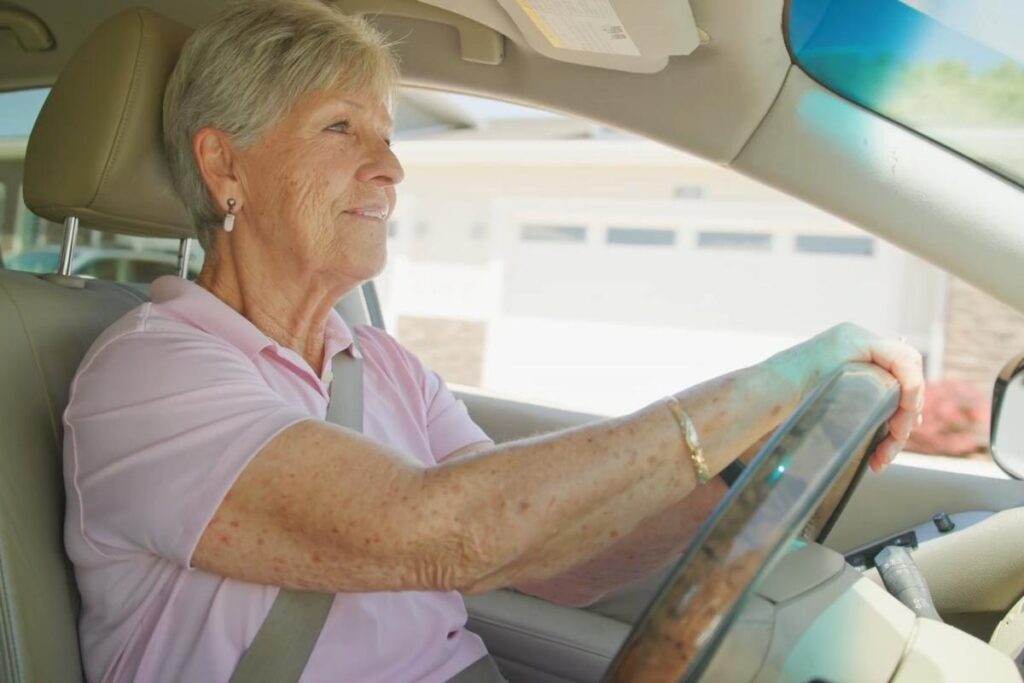
Imagine that you have retired and continue to work a few days a week, with a car that you use just as before. Then imagine the same retirement after your final day at work, with a car still available for trips to the doctor or visits with family. A third version looks different: the job remains, income still comes in, but you have sold the car and every trip now depends on the transportation options available where you live.
In a large part of the U.S., that third change can affect everyday retirement more than the end of working life itself. A job takes up several hours of the day and provides income, while for many older Americans a car determines access to work and other places they visit regularly. U.S. research links driving cessation with lower participation in paid work and volunteering, so the question of car ownership belongs in retirement planning far more than an annual fuel bill might suggest.
The average new car does represent a serious annual expense, but research on people who have already stopped driving shows that the vehicle bill covers only part of the consequences of that decision.
What Do You Gain If You Keep Both Your Job and Your Car After Retirement?
Working during retirement now includes a large share of the U.S. population. According to the Northwestern Mutual 2026 study, 41% of Americans plan to work during retirement or already do, while among Gen X that share reaches 50%.
For someone who continues working, a car often keeps the same basic function it had before retirement. Work hours may be shorter, but getting to the workplace still has to fit a schedule set by the employer.
The cost of that convenience can be high. AAA estimated the average annual cost of owning and operating a new vehicle in 2026 at $12,863, or about $1,072 per month. That figure includes several ownership costs, with depreciation as the largest single expense at an average of $4,422 per year.
That average still represents a new vehicle. For a fair comparison, we suggest the actual bills: insurance, registration, fuel, and repairs over the past 12 months. A national average for new cars may not reflect the cost of an older paid-off vehicle..
When Work Ends, the Car Takes on a Different Role
The final day at work removes the commute, so annual mileage may fall for many people. The car then serves other parts of daily life, especially in places where services are spread across greater distances.
An important difference appears here between work and driving. Work has a defined schedule, while car use is spread across the whole week.
For someone who lives in a city center with a good rail or bus network, the change may be relatively small. In the suburbs, the value of a car can remain high even after working life ends.
We would make two separate decisions: when to leave work and when, if ever, to sell the car. The best answer may not arrive on the same date.
Keeping a Job After Selling the Car Is the Most Interesting Test
The third scenario shows most clearly why the issue goes beyond the cost of owning a vehicle. Employment income remains, but the ability to keep that job now depends on location and available transportation.
One study based on Health and Retirement Study data followed 4,788 Americans age 65 or older between 1998 and 2010. People who stopped driving showed a decline in productive engagement, a category that included paid work and volunteering.
The result has a clear connection with a retiree who wants to work two or three days per week. The job may still fit their experience and schedule, while the trip to the workplace becomes a factor that determines how long such an arrangement can last.
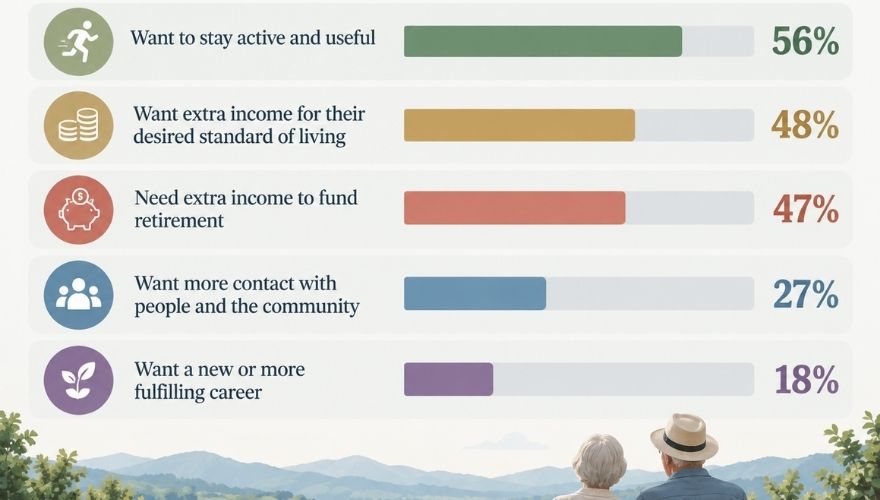
The reasons people continue working help explain the importance of transportation even further.
Before you sell, try a one-month experiment. Leave the car parked, use the alternatives available nearby, and record both the cost and the extra time required for each trip.
If, for example, someone earns $24,000 per year through part-time work, a car that makes the commute possible may have a completely different economic value than the same car for someone whose regular destinations are all accessible by local transportation.
The Effects of Giving Up Driving Can Be Seen Outside the Workplace Too
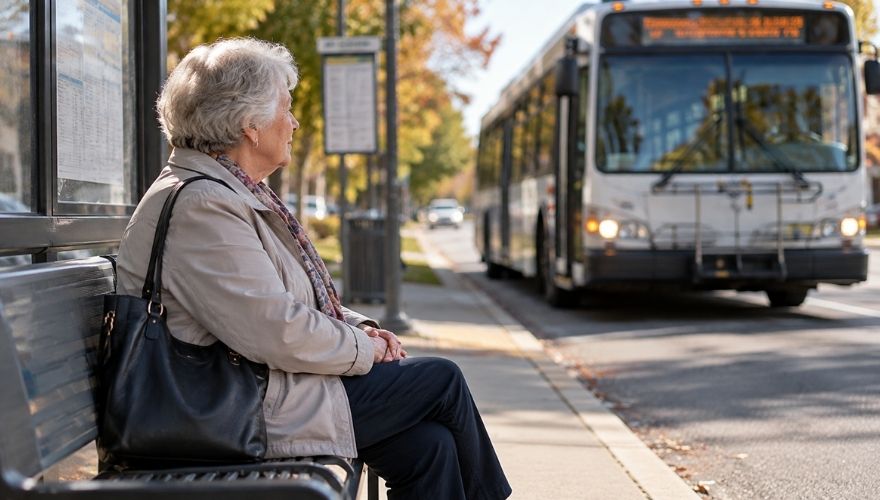
Another U.S. study gives a broader picture. Researchers used data on 6,916 Medicare beneficiaries age 65 or older, and people who had not driven during the previous year had about twice the odds of belonging to a higher social isolation category than active drivers, after statistical adjustment for other factors.
That result should be read carefully, since health status can affect both the ability to drive and the frequency of social activity. The data still shows that a change in transportation appears alongside changes in how older people take part in life outside the home.
For example, someone may drive only 4,000 miles per year, but those few thousand miles may include almost every trip that matters to them. Another person may live in a part of the city where public transportation covers most of the same destinations.
The same mileage can therefore have a completely different value.
A Second Car and the Only Car Are Not the Same Thing!
Selling a second car can reduce insurance and maintenance costs while preserving the ability to drive independently within the household. Kiplinger examined exactly that scenario through the question of how many vehicles a retired household actually needs.
Let us try it this way:
Before selling, I would run a one-month test. For a month, leave the car parked and use the transport options you would have after a sale.
Such a test gives you a figure that a national average never can: the cost of life without a car at your address.
A Few More Things:
Let us now look at a few more interesting questions on the subject that also puzzled me while I was writing the article:
Does car insurance become more expensive after a certain age?
It can. Premiums for older drivers often start to rise at later ages, especially after 70, but the price also depends on driving history, location, and the vehicle.
How often do retirees buy another car after previously selling one?
There is no good national figure for repurchasing itself. Data does show that some older people who stop driving later return to driving, so selling a car does not always have to be a permanent decision.
Can lower annual mileage reduce insurance costs enough to make selling the car unnecessary?
Sometimes. If you drive very little and own an older paid-off car, a lower premium can significantly reduce the annual cost of ownership.
Can occasional rental cars be cheaper than owning a car all year?
They can, especially if you need a car for only a few weeks each year. With frequent driving or regular trips, owning an older car often becomes more financially competitive.
Before You Sell the Car, Test the Alternatives
We recommend a practical trial before a final sale. Track the trips you make, the price of other transport, and the destinations you cannot easily reach without a vehicle.
After retirement, record how often you use the vehicle and how essential each trip is. If you still work, include the income that depends on reliable travel.
Only after that would I test life with other forms of transportation.
Research suggests that the loss of a vehicle can affect much more than the budget, particularly when other transport options are limited.
Before you sell, answer one practical question: can you reach work, medical care, shops, and family with the transport available near your home?